
When I was a child we had a gorgeous dog called Laika - named after a Soviet space dog and one of the first animals in space who flew aboard the Sputnik 2 in 1957. My Laika, like his Russian namesake, was a mongrel and, as I recall, one of a litter of puppies produced by the neighbour of my grandad. At the time we lived in a busy residential area beside the A12 in East London. On one occasion, Laika slipped past my mum, out the front door and went missing for a couple of days. That part was awful enough, but he came back with a laceration to his stomach. He was taken to the vet and treated, but he died of his injury not longer after. It was the first time I had experienced the pain of losing a pet and it was horrendous. At the time, I felt my parents didn’t do too much to try and get him back, there were no searches or missing posters, more a feeling of “oh he will come back soon, he will be ok”.
Now I have two amazing labradoodles - Loki and Leela (I must have a thing for names beginning with L). Leela became our new puppy in October 2012, aged 10 weeks. Loki came a year later in November 2013. Both turn 14 and 13 respectively this year. Leela has lost weight recently and you can see she is an old dog. That anticipatory grief is creeping in.
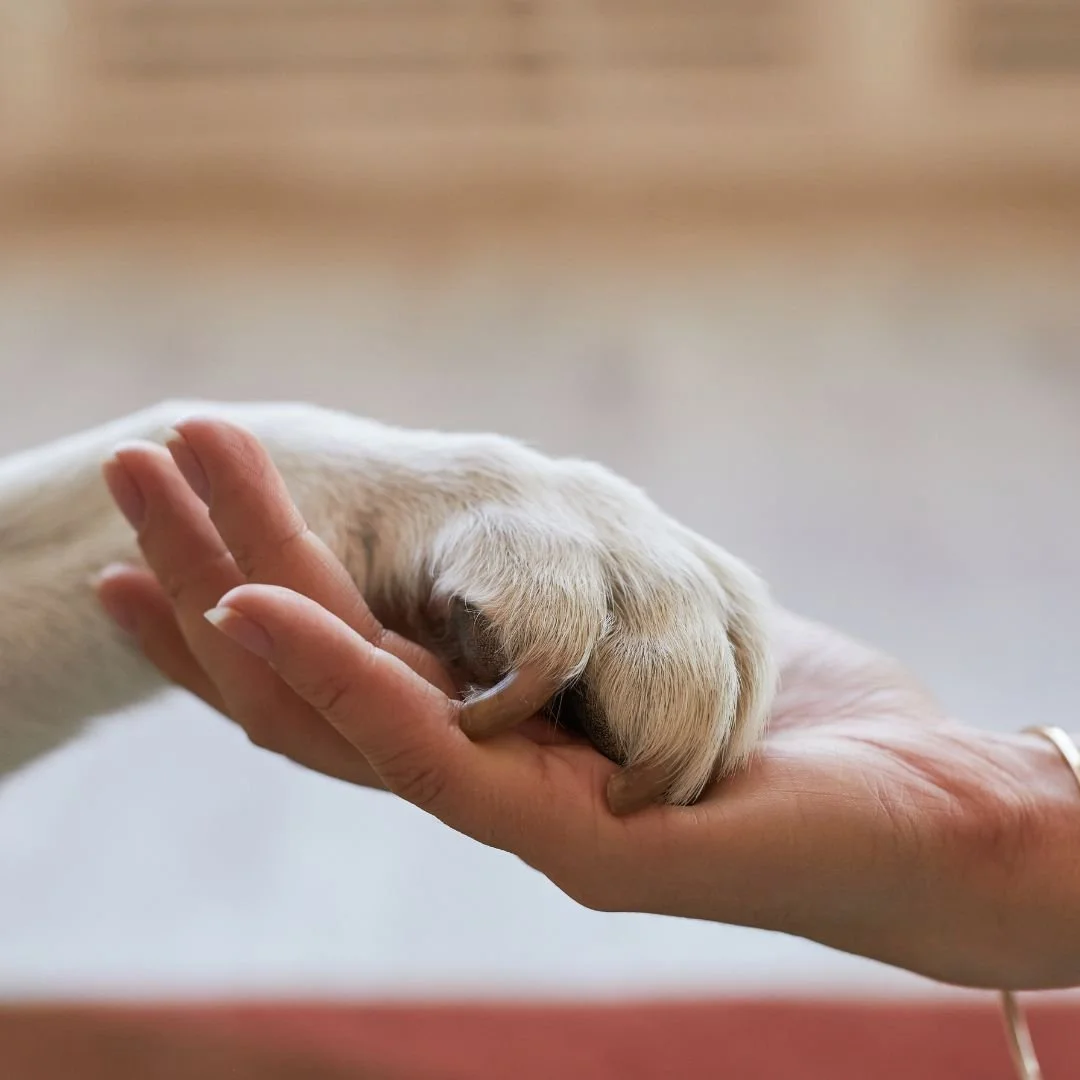
Pet bereavement is a quiet kind of grief - deep, personal, and often misunderstood. It can feel like losing a family member, yet is often treated as something we should move on from quickly. Pets provide comfort and unconditional presence. Loyalty beyond loyalty - my dog Loki, follows me absolutely everywhere like a guardian. Loving deeply means grieving deeply and it’s ok if the pain feels outsized.
Grieving a lost companion also means losing a routine - the empty dog bowl, reaching for the leash, throwing the tennis ball, bribing with treats, not to mention the house feeling louder or too quiet. If you’re grieving a pet, even many years on, there are ways you can honour the bond you had with them. The routine your pet provided can be replaced with a different routine - a ritual such as lighting a candle for them, keeping a photo, some people have their ashes turned into keepsakes.
As with any loss, allow the process to move through you. Grief is the echo of love and pets provide love without the words which is why I think it feels so profound. When they are gone, we can feel very disorientated - their quiet presence, their uncomplicated loyalty, the safety and comfort they provided. Pets witness our tears and tantrums and are present for the moments that don’t make it to the stories we tell others. And for your pet, YOU are the centre of THEIR universe, also providing them with safety and comfort. When they die, especially if they had to be put to sleep, there is often grief mixed with guilt, helplessness or the feeling of a role you cherished coming to an abrupt end.
Pet loss is still minimised by society and when grief is not openly acknowledged or supported, it sinks inward. The pain can feel heavier, lonelier, and harder to process. We don’t grieve pets deeply because they were “just animals.” We grieve them because they were family in the most constant, everyday sense of the word.